Expense AI
When small validation bugs destroy trust in financial products
Role: UX Analyst
Context: Personal Finance · Free Tier Analysis
Context
I tested Expense AI, a personal finance tracker to understand how UX decisions impact trust and retention. Through 7 days of real expense tracking, I identified critical issues that could drive early churn despite the product's strong foundation.
Problem
Financial apps live or die on trust. While Expense AI had solid fundamentals (low-friction logging, multi-currency support, clean UI), I discovered execution gaps that compromised data accuracy, the core value proposition.
What I Found
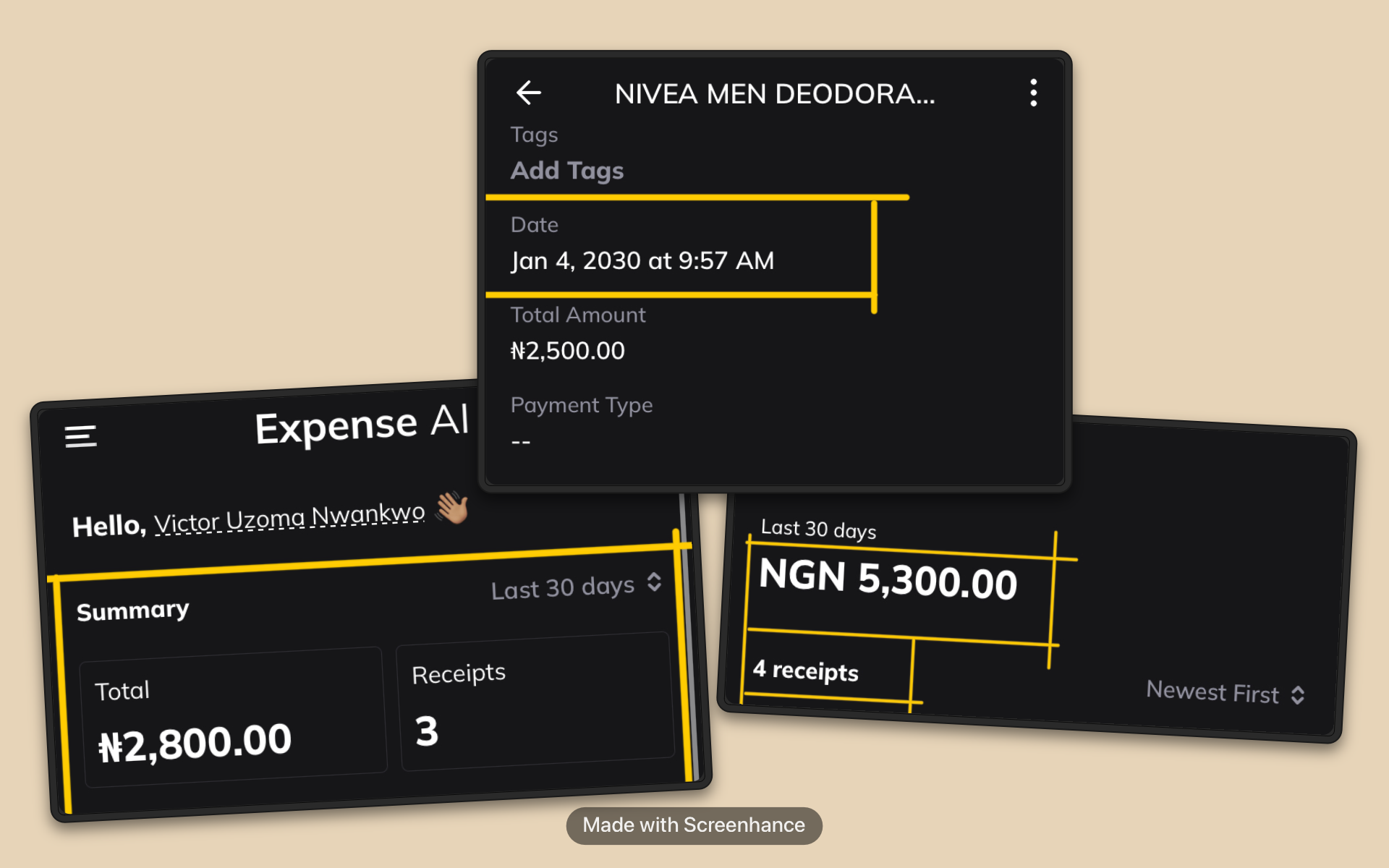
⦁ I logged an expense dated in 2030, and the app accepted it, causing dashboard numbers to conflict and confuse users.
⦁ Different screens showed different totals for the same time period.
⦁ The + icon only appeared at the top of the dashboard. Users had to scroll back up to log expenses after reviewing data.
Recommended Solutions
⦁ Set max date = today on date picker with clear error feedback
⦁ Consider separate "Planned Expenses" feature if future-dating has legitimate use
⦁ Make + button sticky/floating for persistent access.
Key Learning
In financial products, Small bugs like these can break users trust in finance apps. Users can forgive missing features, but not wrong numbers.